About Our Forest
It would be difficult to overstate how important, and downright magical it is, that we have so much choice and control of our materials—that our own hands and eyes and intuitions guide the transformations from tree to log to timber. Our outcomes simply couldn’t occur without the opportunities and inspiration our forest provides.
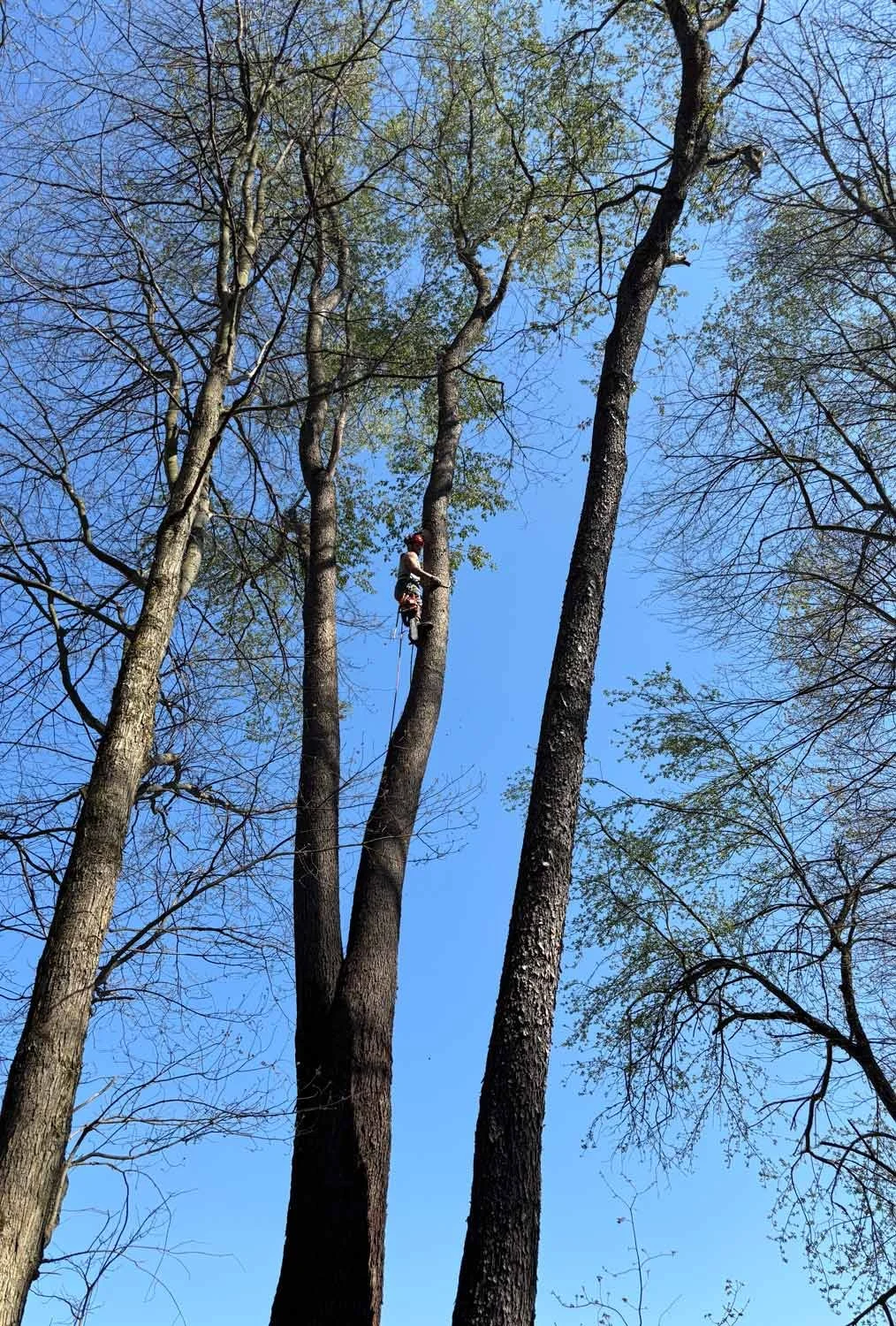
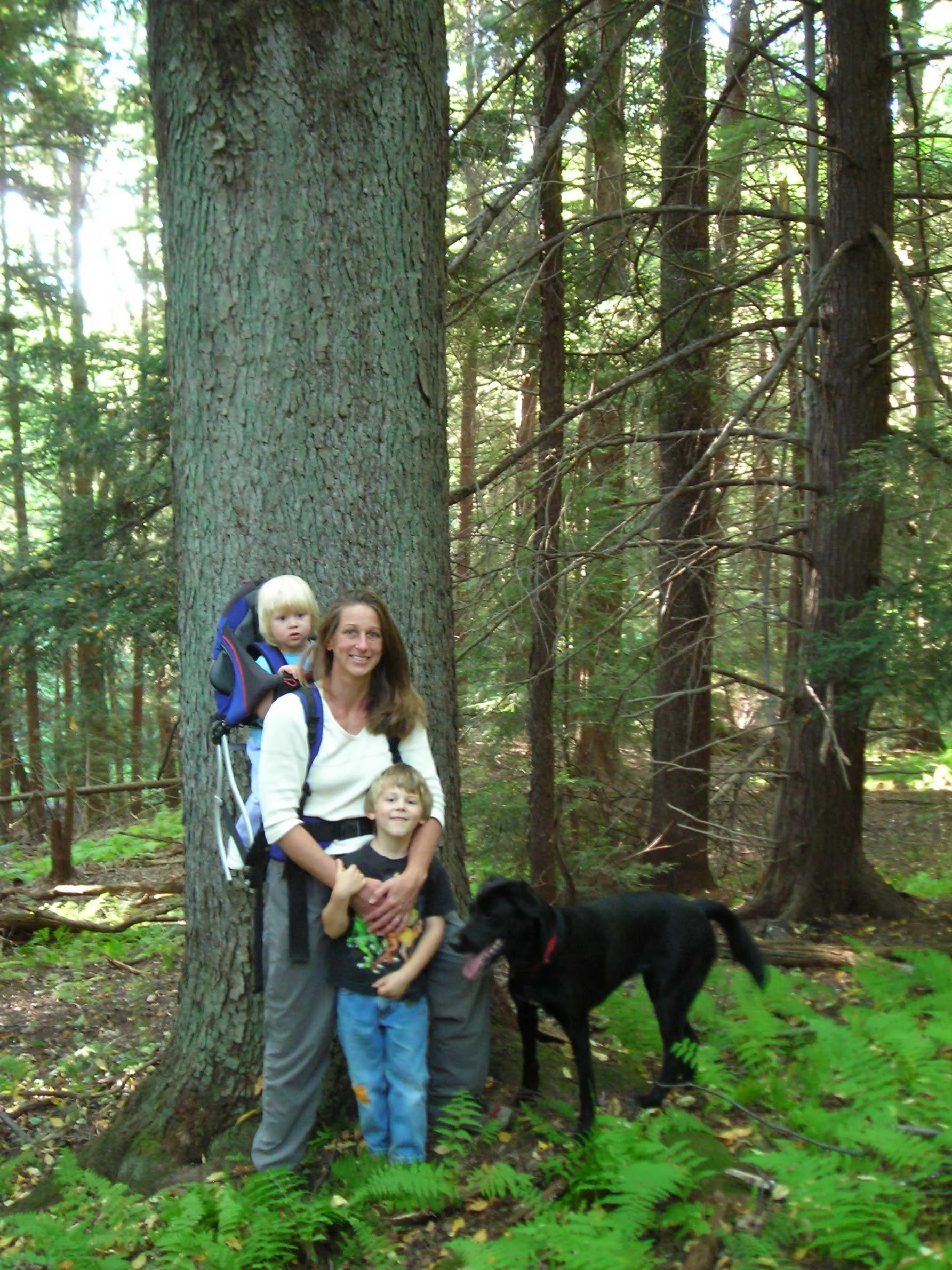
Twenty years ago the previous owners of this forest made it possible for my wife and myself to purchase the land. It was a long road to ownership that we remain grateful for everyday.
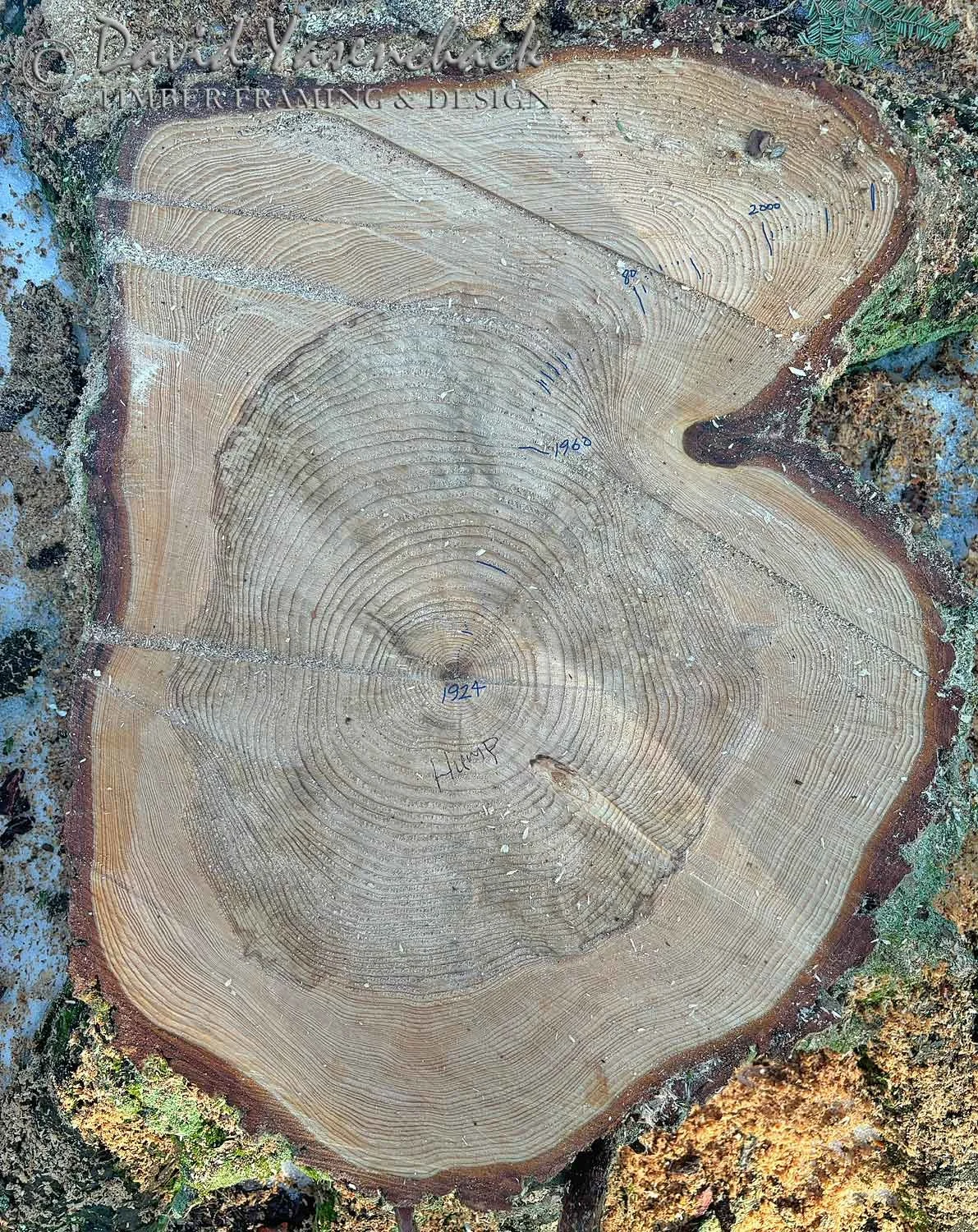
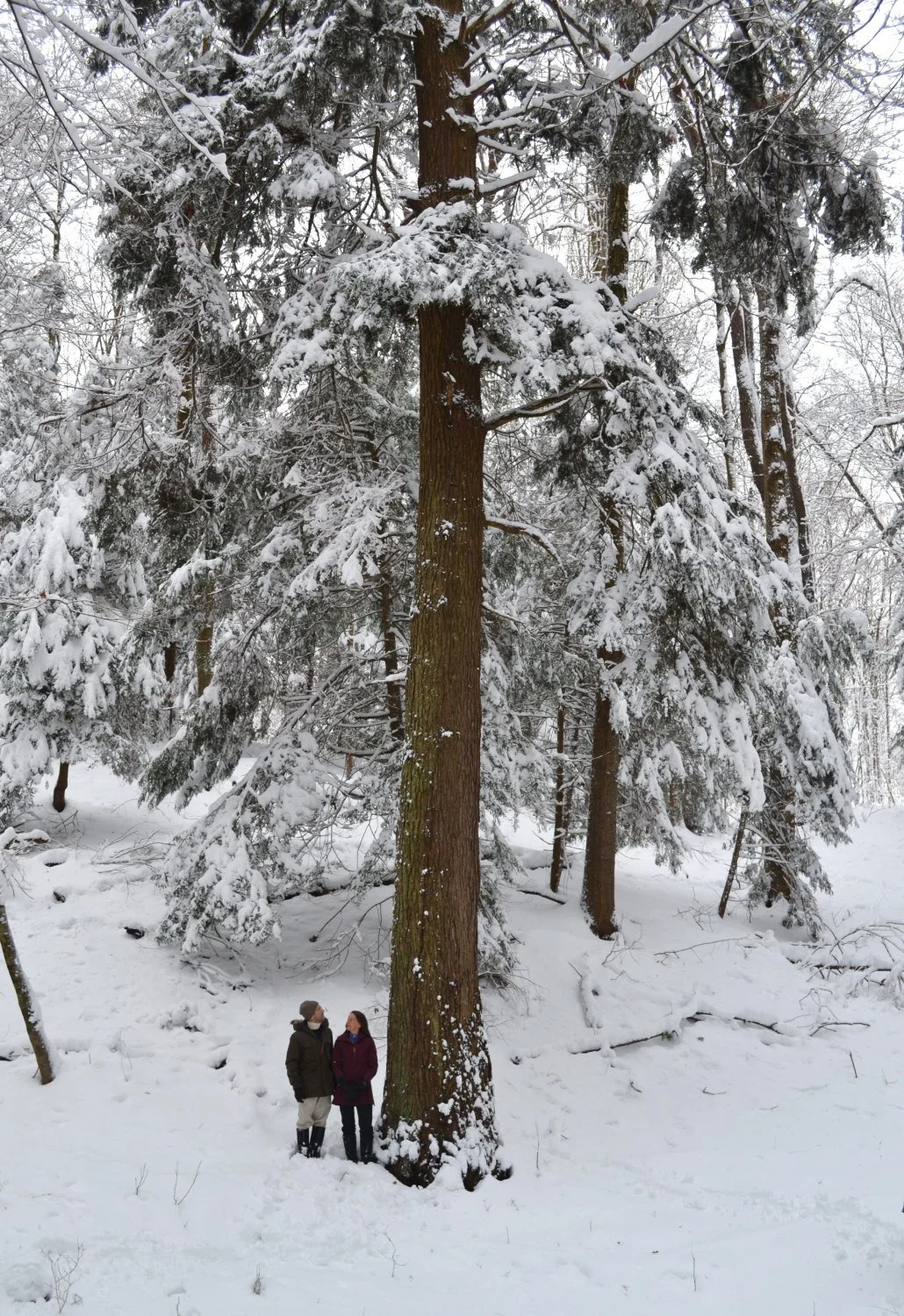
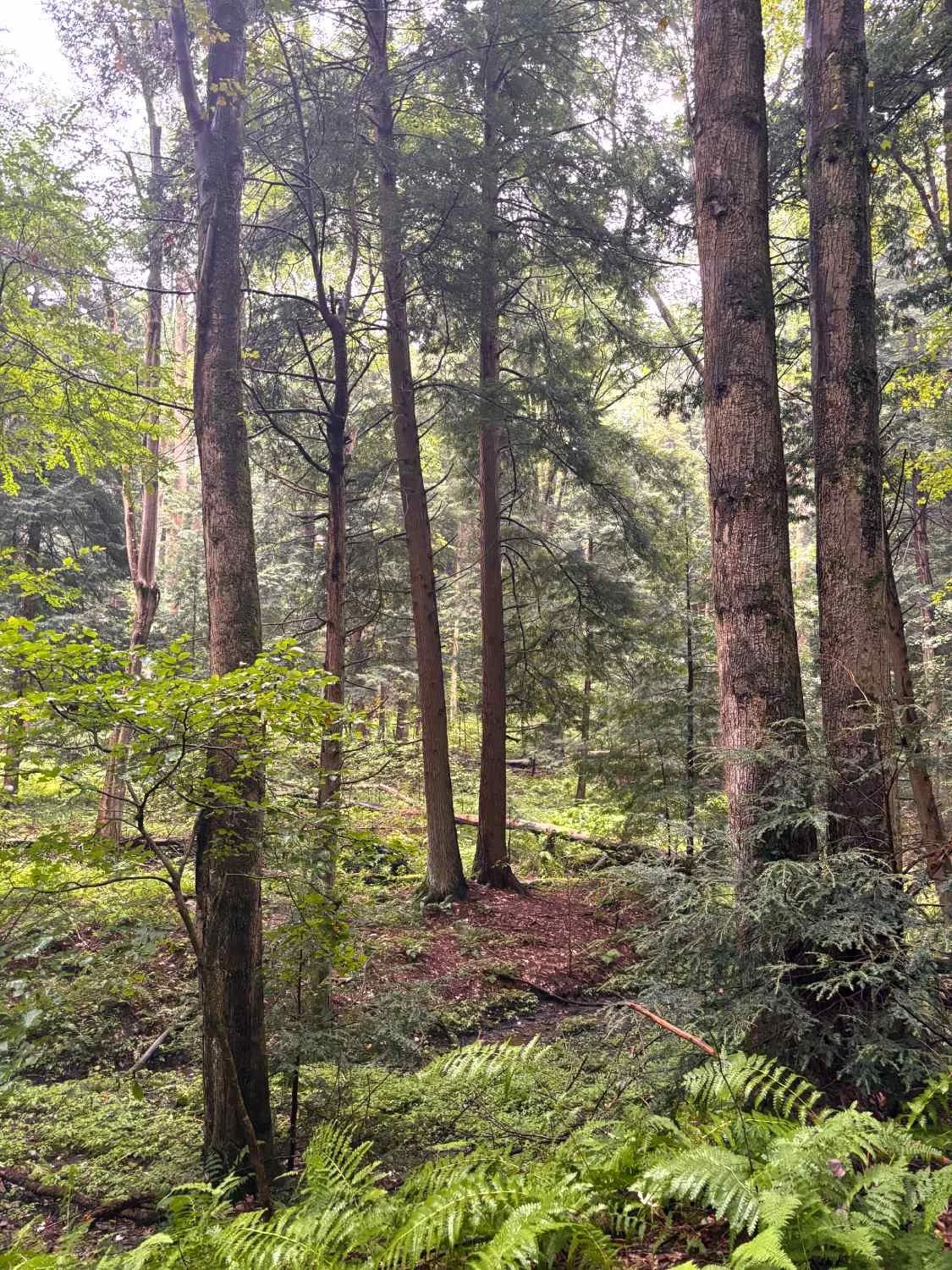
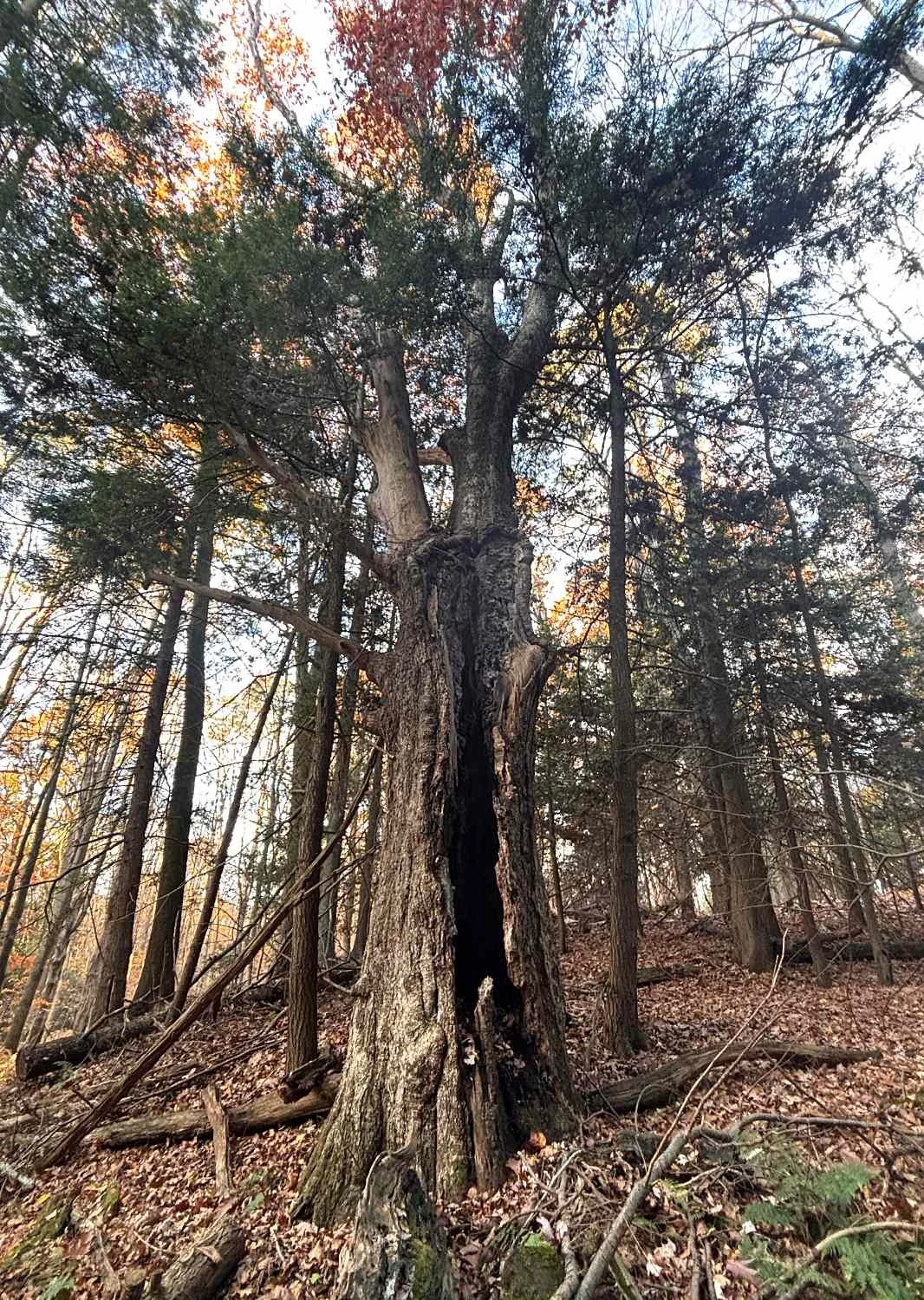
Crucially, the long-time previous owner had not allowed “high grading” or “diameter-limit” logging—common practices which remove the most valuable trees and leave the least marketable and often least promising trees. Repeated over time, these timber practices have left many private forests here less diverse, habitat poor, and of diminished potential.
We have been aiming to do the opposite… to think foremost of the future forest. And so we try to cut and use the least healthy or least promising trees—an approach often called “worst first.” Since 2007 we have been learning and adopting the philosophy of the Foundation for Sustainable Forests, a land trust which stewards working forests in our region. The philosophy focuses not on what is removed, but what remains in the forest. More about the Foundation and its philosophy can be found here.
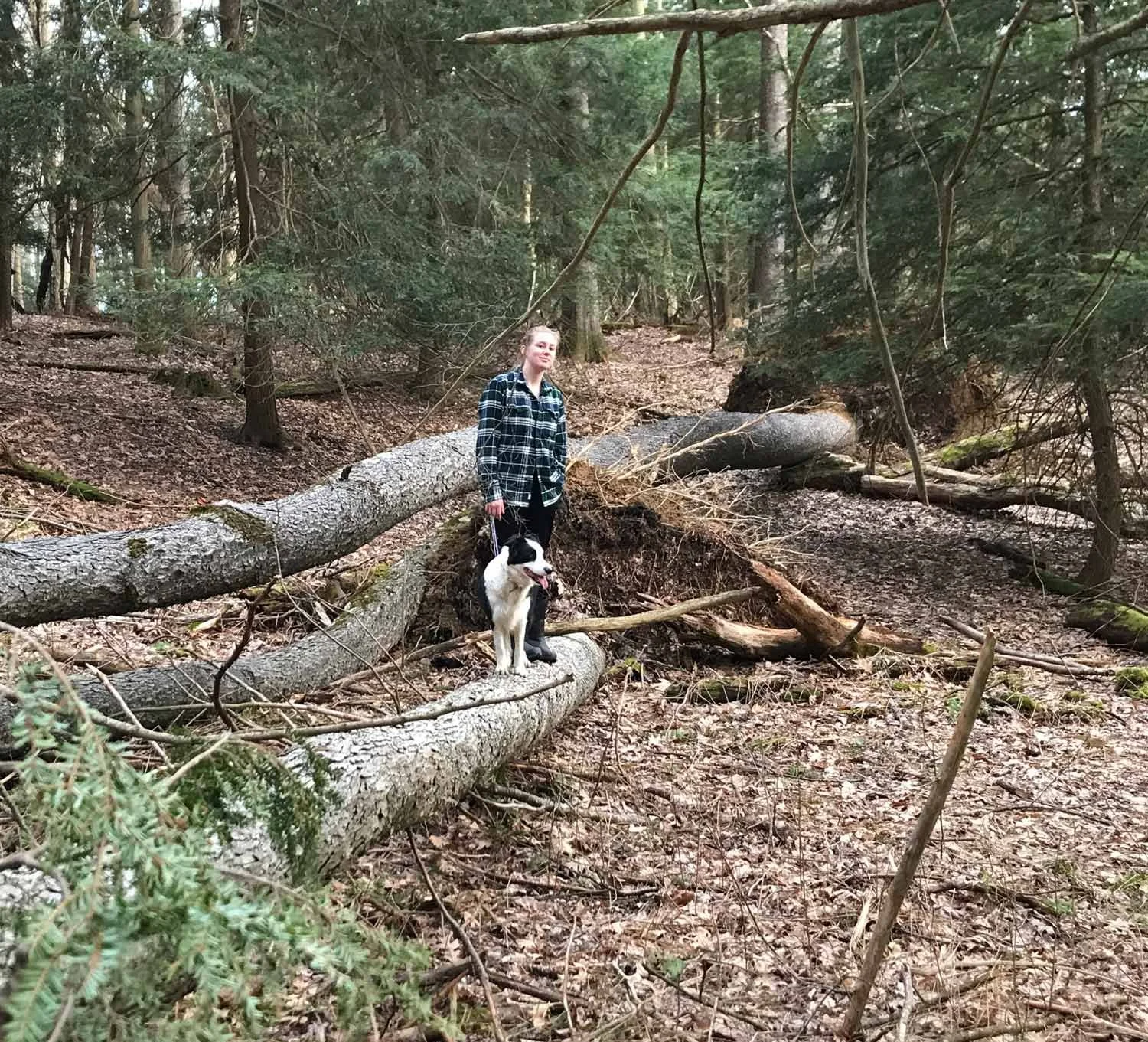
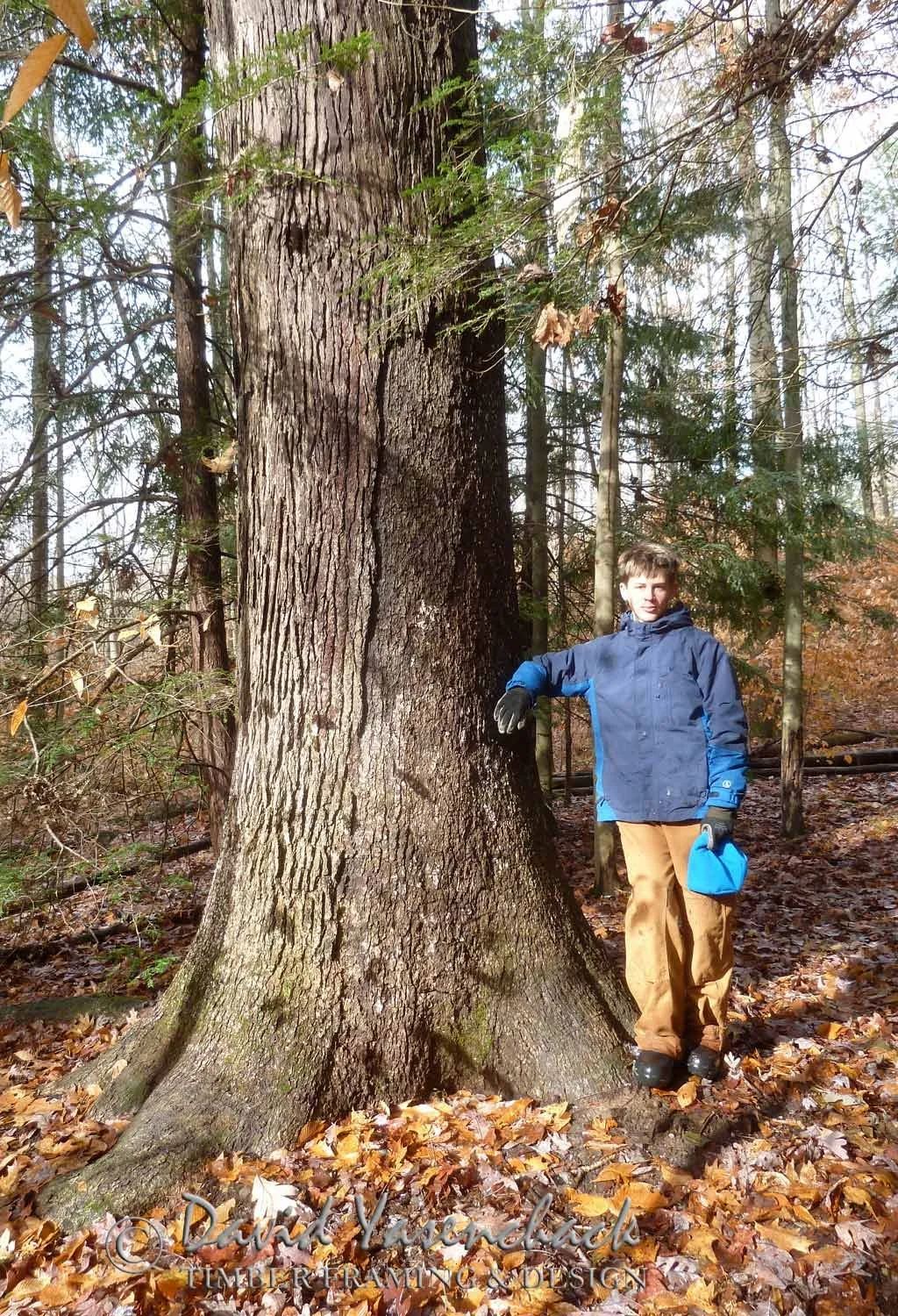
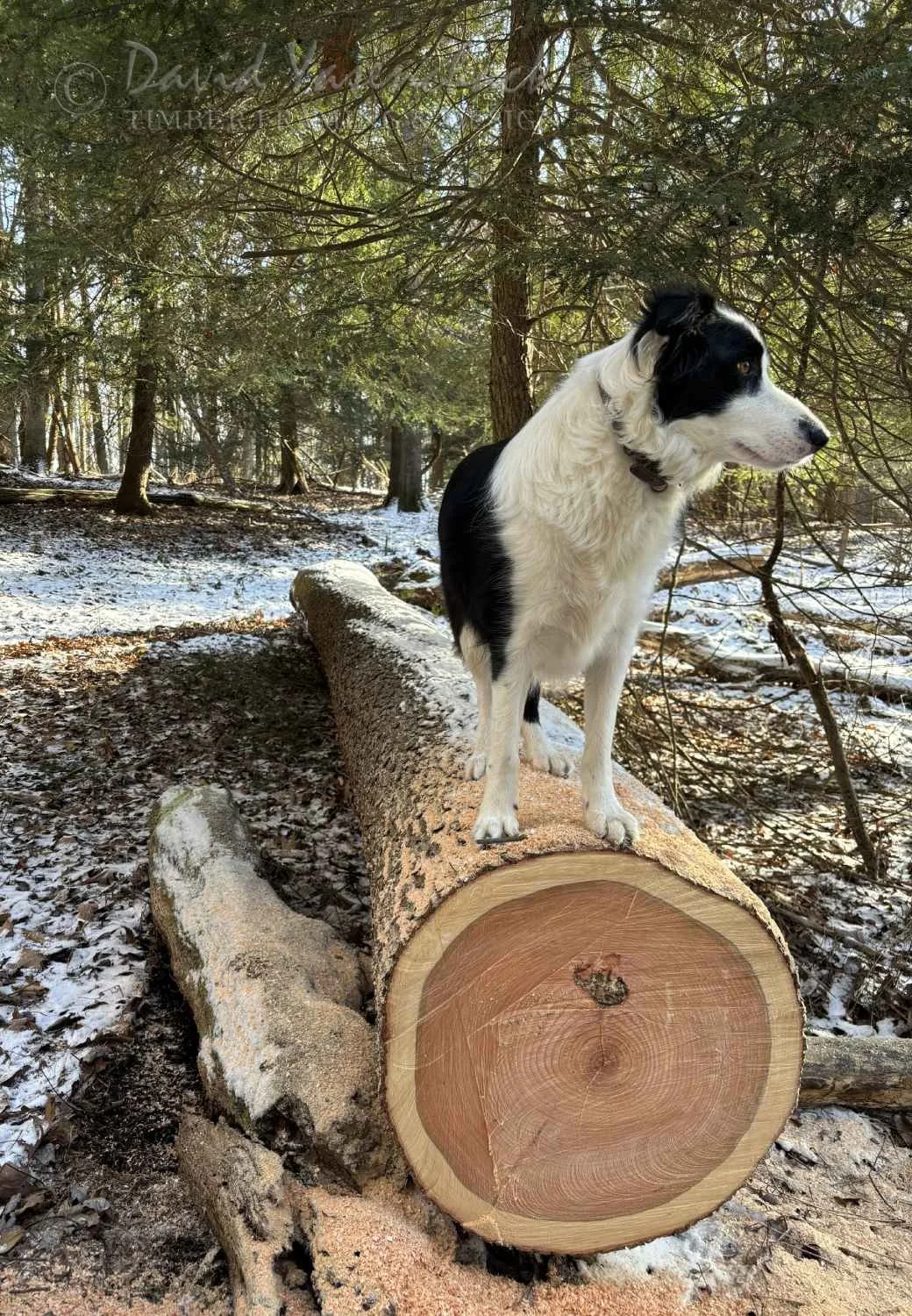
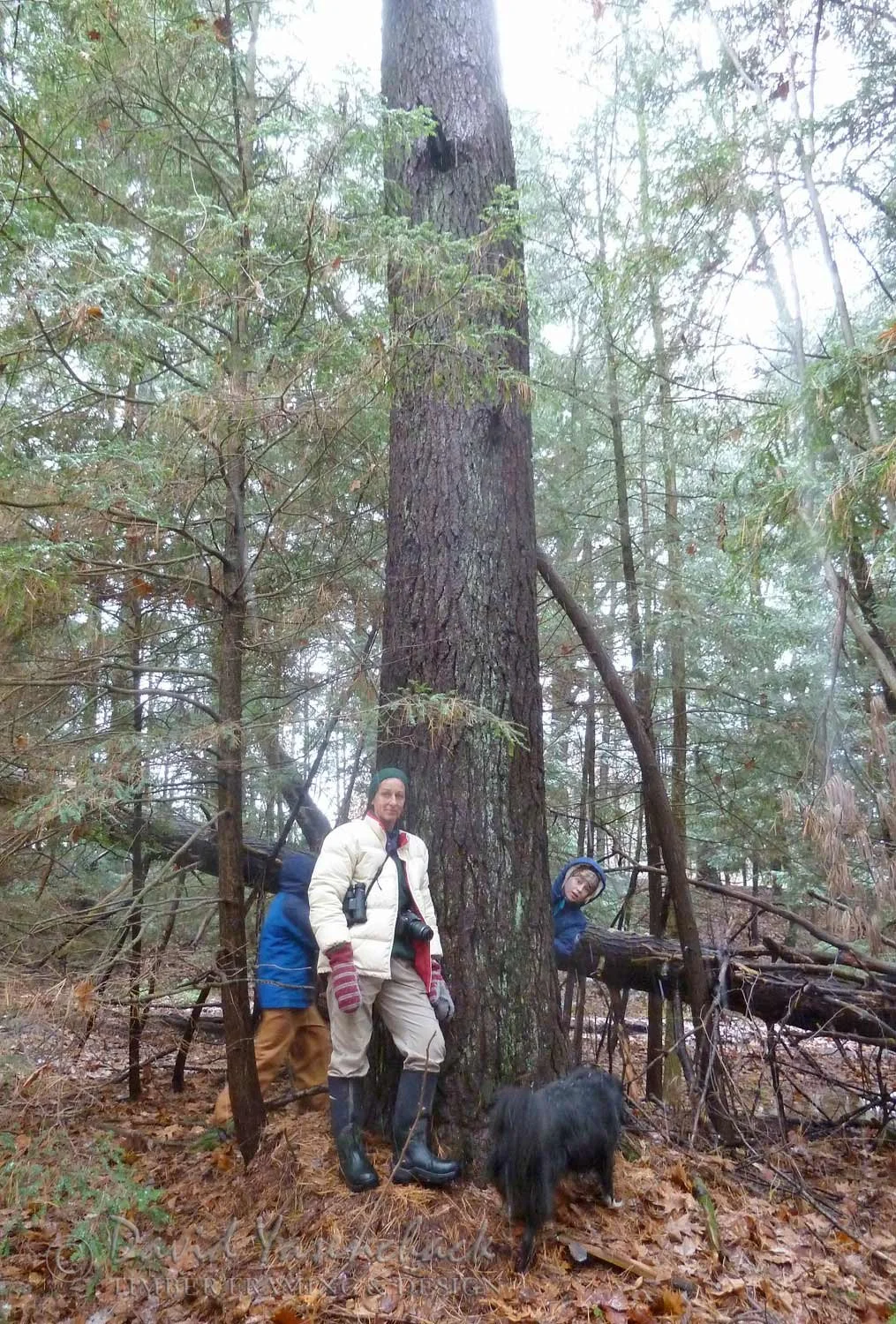
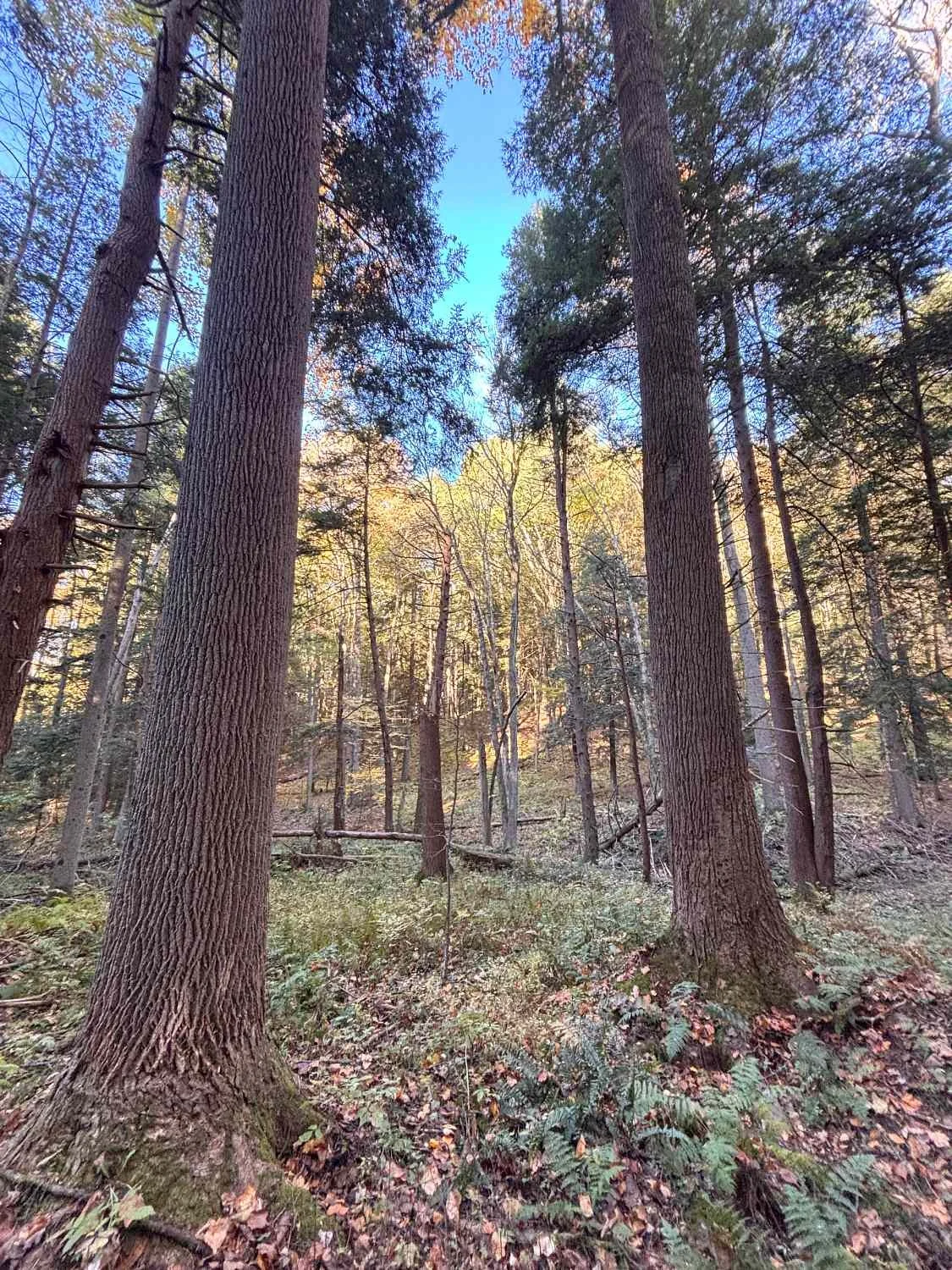
The soils here nourish hemlock, black cherry, red and white oak, maple, tulip poplar and beech, predominantly. Other species include black locust, cucumber magnolia, hickories, sycamore, sassafras, yellow birch, walnut and white pine. Perhaps our finest resource is the richly colored black cherry, which grows so well here on the Allegheny plateau.
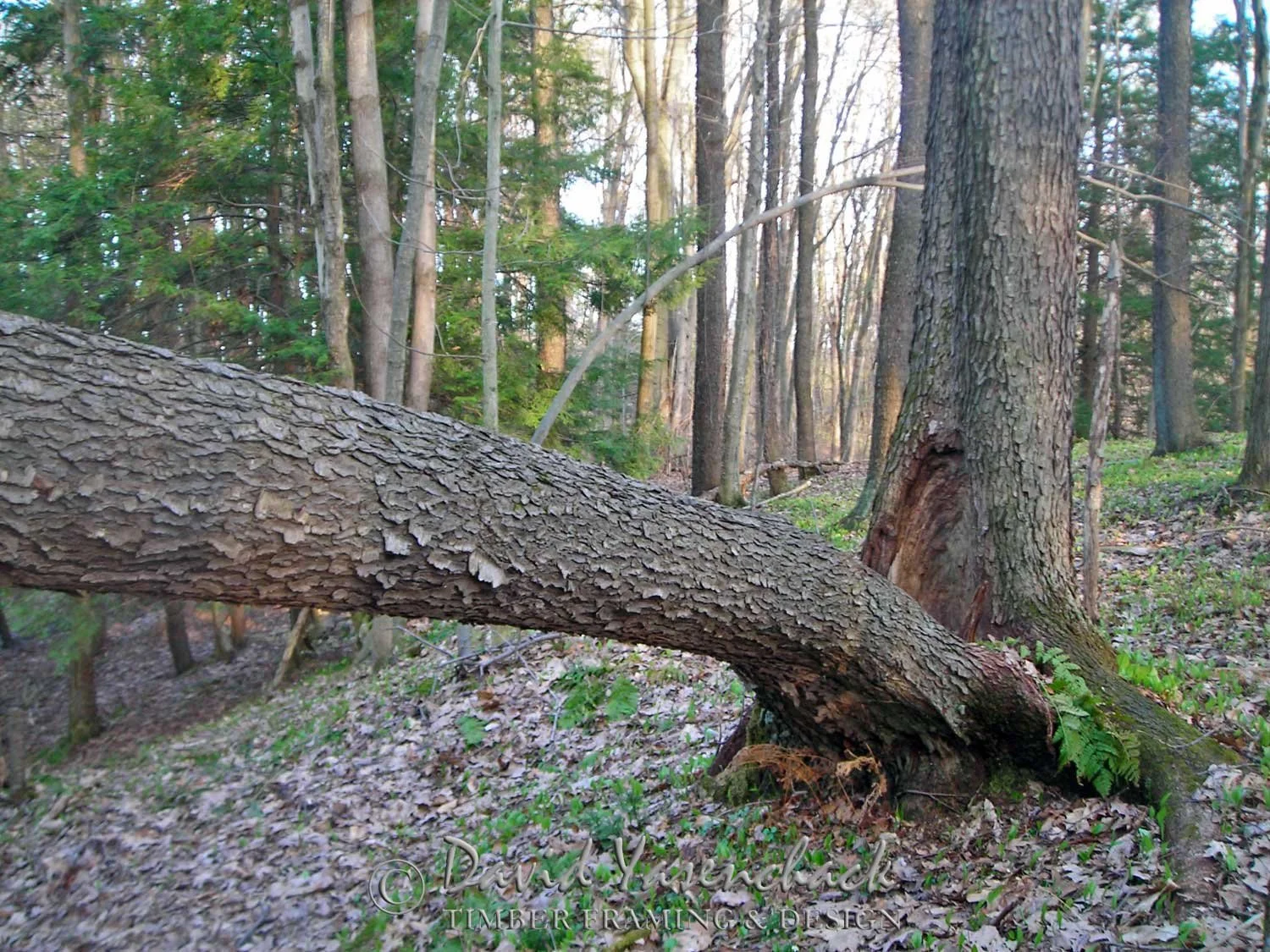
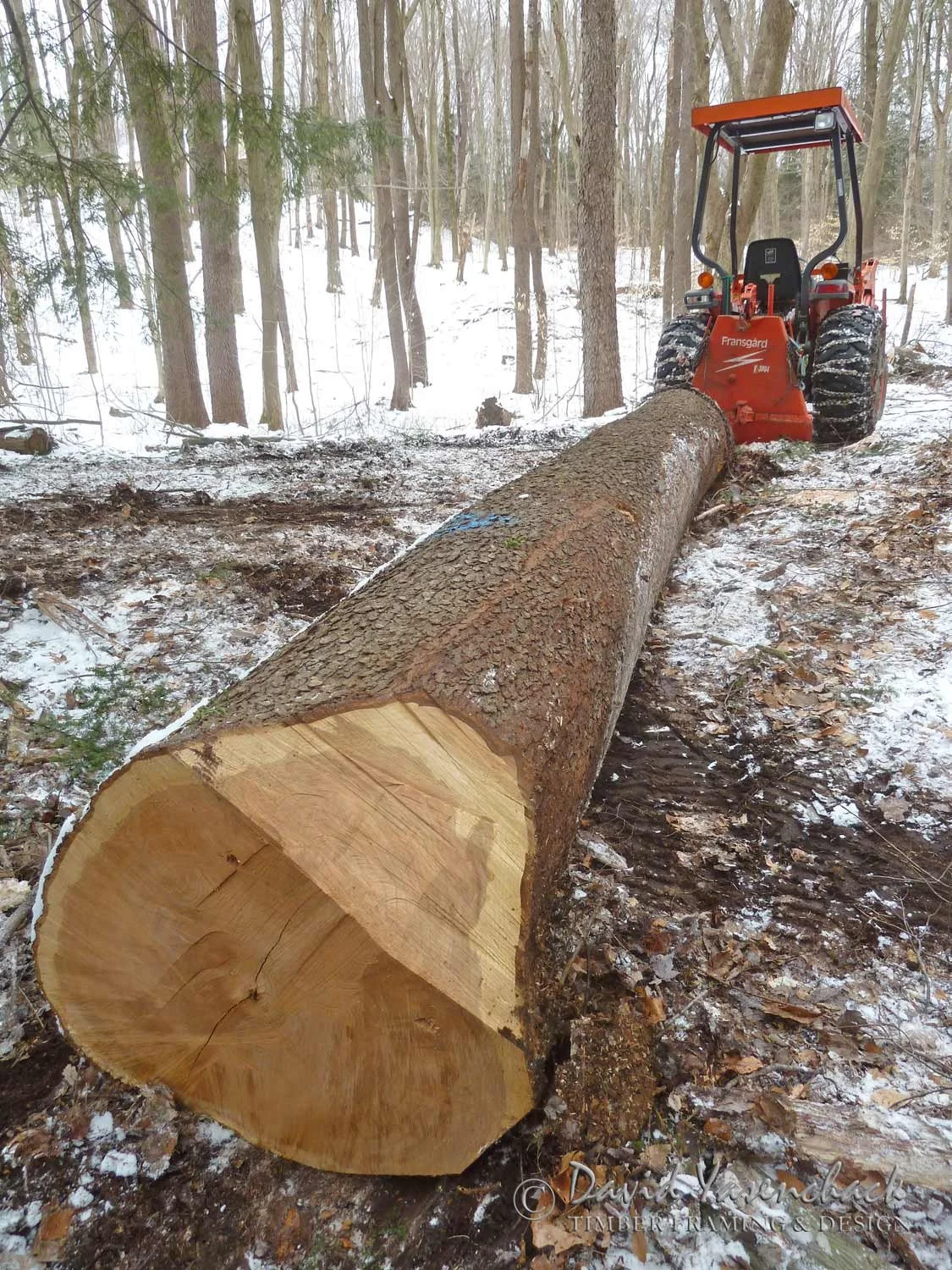
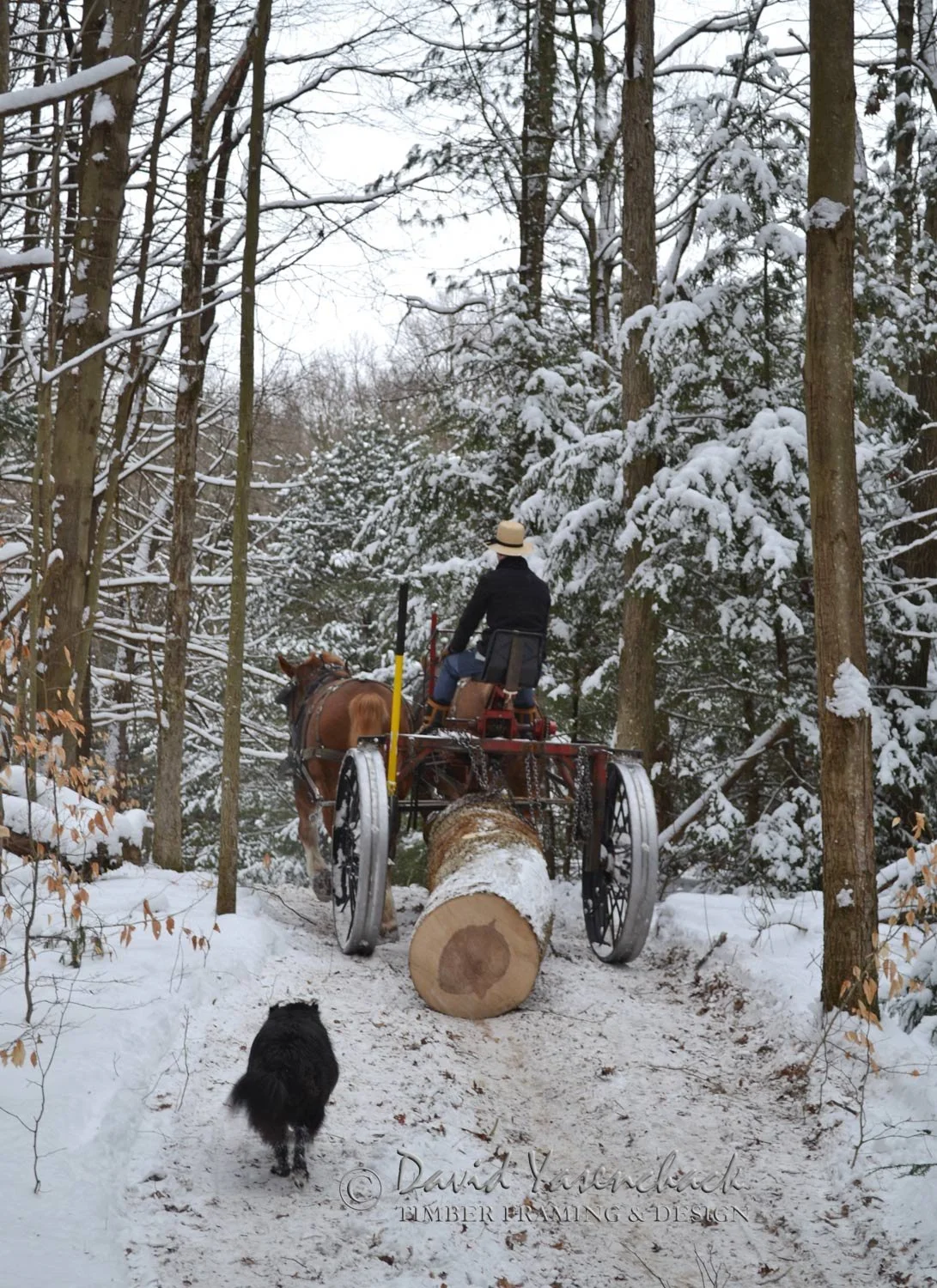
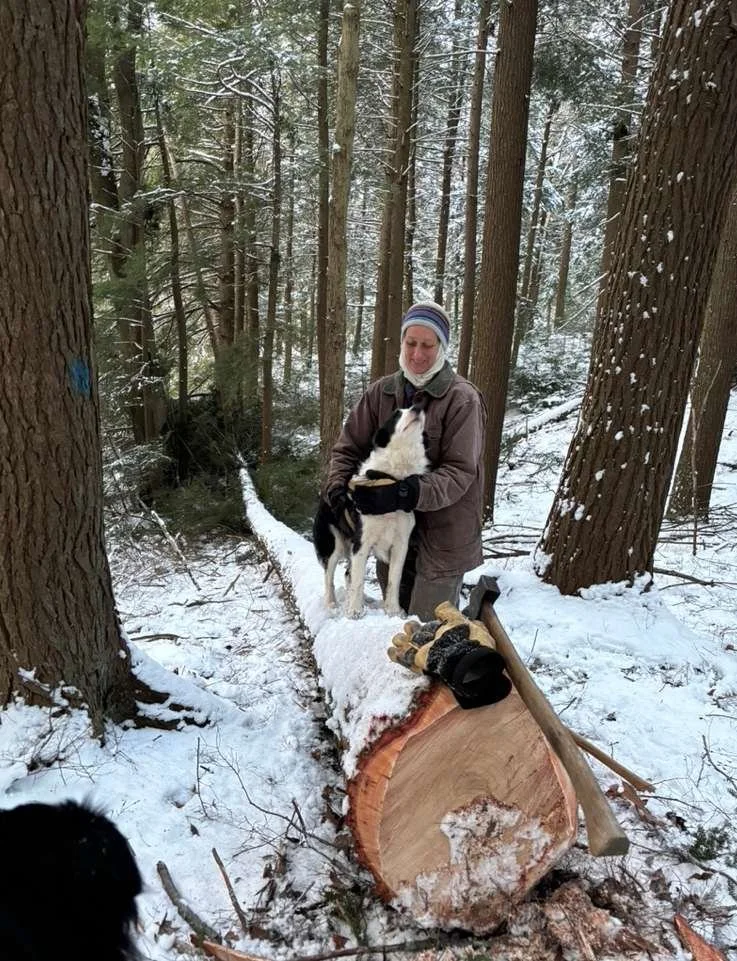
We select very specific trees (usually damaged, dead, or diseased) throughout the seasons. However, we try to remove most logs from the forest during the winter when the ground is frozen and snow or ice-covered. This strategy reduces impact, especially to the myriad life and structure of the soil. Frozen soils and snow cover also make moving heavy logs much easier, whether by animal or machine.